





Phillips Exeter Academy

Seeking Complex Truths

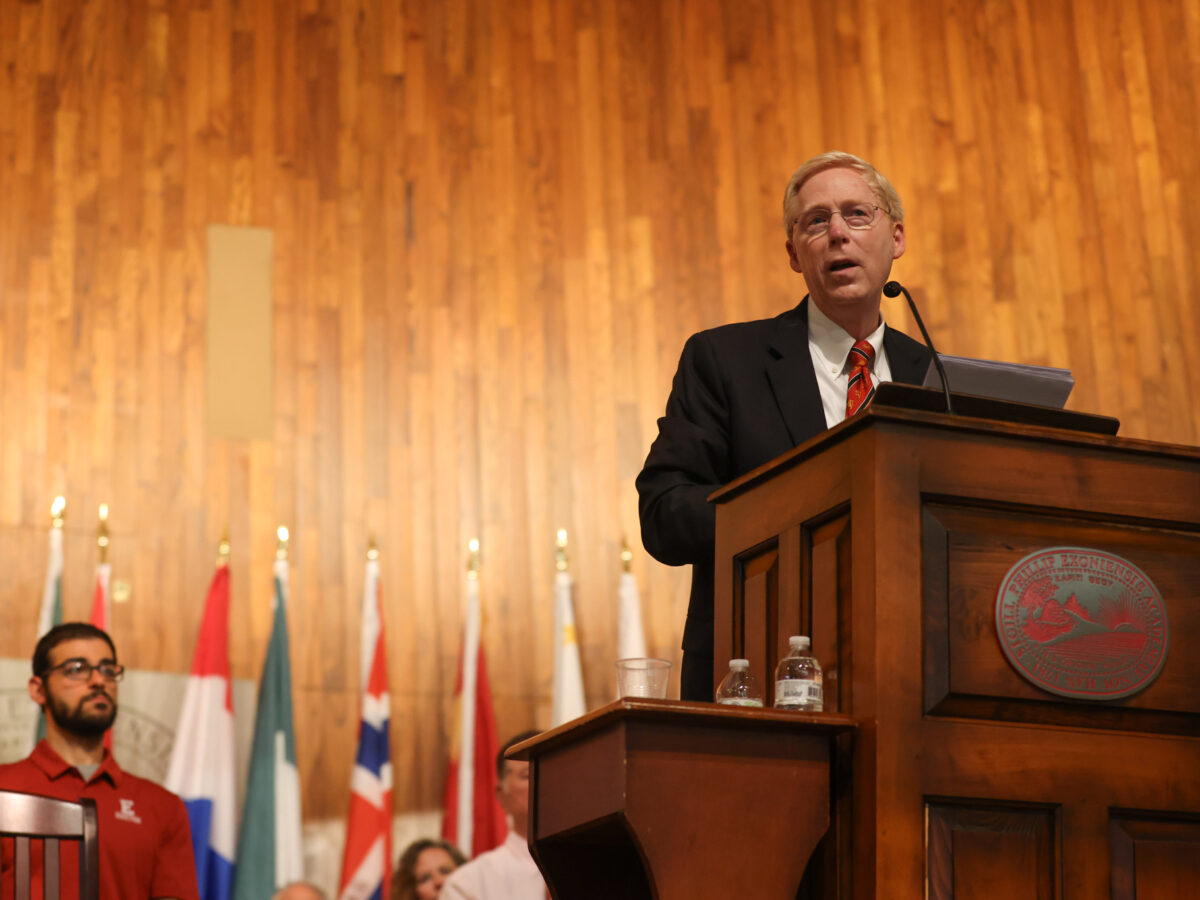
Principal Rawson stands at podium on Assembly Hall stage

Academic excellence is a defining strength of our school and one of the reasons students choose Exeter. Our core value of academic excellence states: “In every discipline and at every level within our curriculum we inspire students to develop critical thinking skills and seek complex truths.”

At Opening Assembly this year, I talked about what it means to seek complex truths, why that is important, and how we do it. 

We grapple with complex truths because we understand that simple narratives often are false, and false narratives often are simple. We are not at Exeter to pursue simple truths when complex truths are required to understand the world. We are committed to helping students learn how to seek complex truths that take into consideration all relevant facts and respect the dignity and equal worth of all human beings.

The learning that we seek at Exeter starts with being open to different points of view, and with being curious about why people from different backgrounds and experiences, or maybe similar backgrounds and experiences, might see things differently. It requires listening to other perspectives with empathy, humility and respect, and with the understanding that learning at Exeter is a collaborative process.

This kind of learning requires a certain measure of resilience. It requires understanding the difference between being uncomfortable and being unsafe. At Exeter, we want students to learn to become comfortable with being uncomfortable, so they can engage with facts and perspectives that might not seem to fit their worldview, plumb the depths of an issue, and seek complex truths. This is what we mean by “rigorous inquiry and thoughtful discourse” in our core value statement of academic excellence.

As I said in Opening Assembly, the qualities that we seek to encourage in our students — listening with curiosity, empathy and humility; being resilient; being open to different viewpoints; and being comfortable engaging with facts that challenge their thinking — are skills that will provide a foundation for everything they will do and achieve in life. We think of them as Harkness skills, or goodness and knowledge skills, but they also are life skills.

Our diversity at Exeter — our commitment to youth from every quarter — also is a defining strength of our school that propels our learning. We understand that the promise of our diverse community is realized fully only when we commit ourselves to rigorous inquiry and thoughtful discourse.

By contrast, anything that narrows our thinking, or closes our mind to different points of view, will inhibit our learning as individuals and as a community. When we stop being curious, we stop learning.

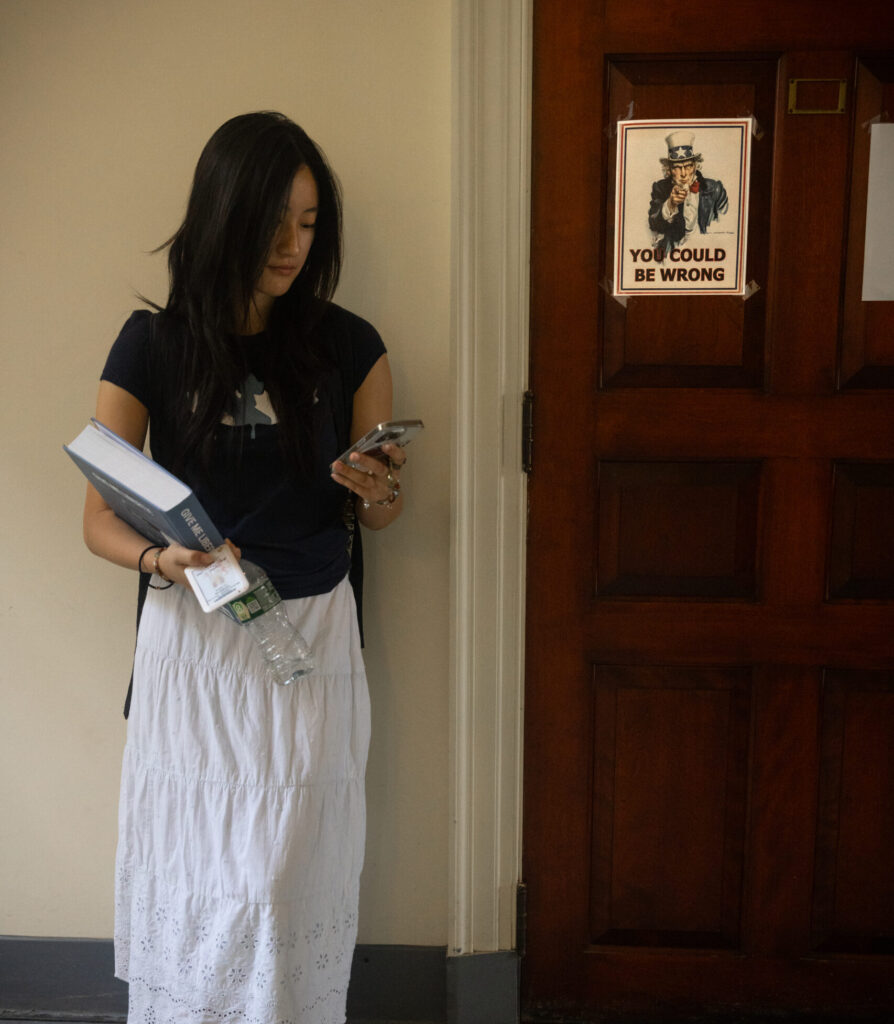
History Instructor Alexa Caldwell has a poster outside her classroom — a variation on the famous World War I-era U.S. Army recruiting poster — that shows Uncle Sam pointing his finger at the viewer and saying, “You Could Be Wrong.” Her colleague in the History Department, Bill Jordan, created the poster after reading the award-winning book The Political Classroom; in a similar spirit, he hands out stickers to his students that read, “I could be wrong.” And in the classroom next door to Bill’s, History Instructor Aykut Kilinc greets his students with a sign that quotes my remarks from Opening Assembly in 2022: “We should expect a diversity of viewpoints on almost every subject worth exploring.”

These are just some of the ways that we aim to teach students how to think, not what to think, and how we seek to inspire them at all levels to develop critical thinking skills and seek complex truths.

John Schmidtberger ’79: Canvasing Light

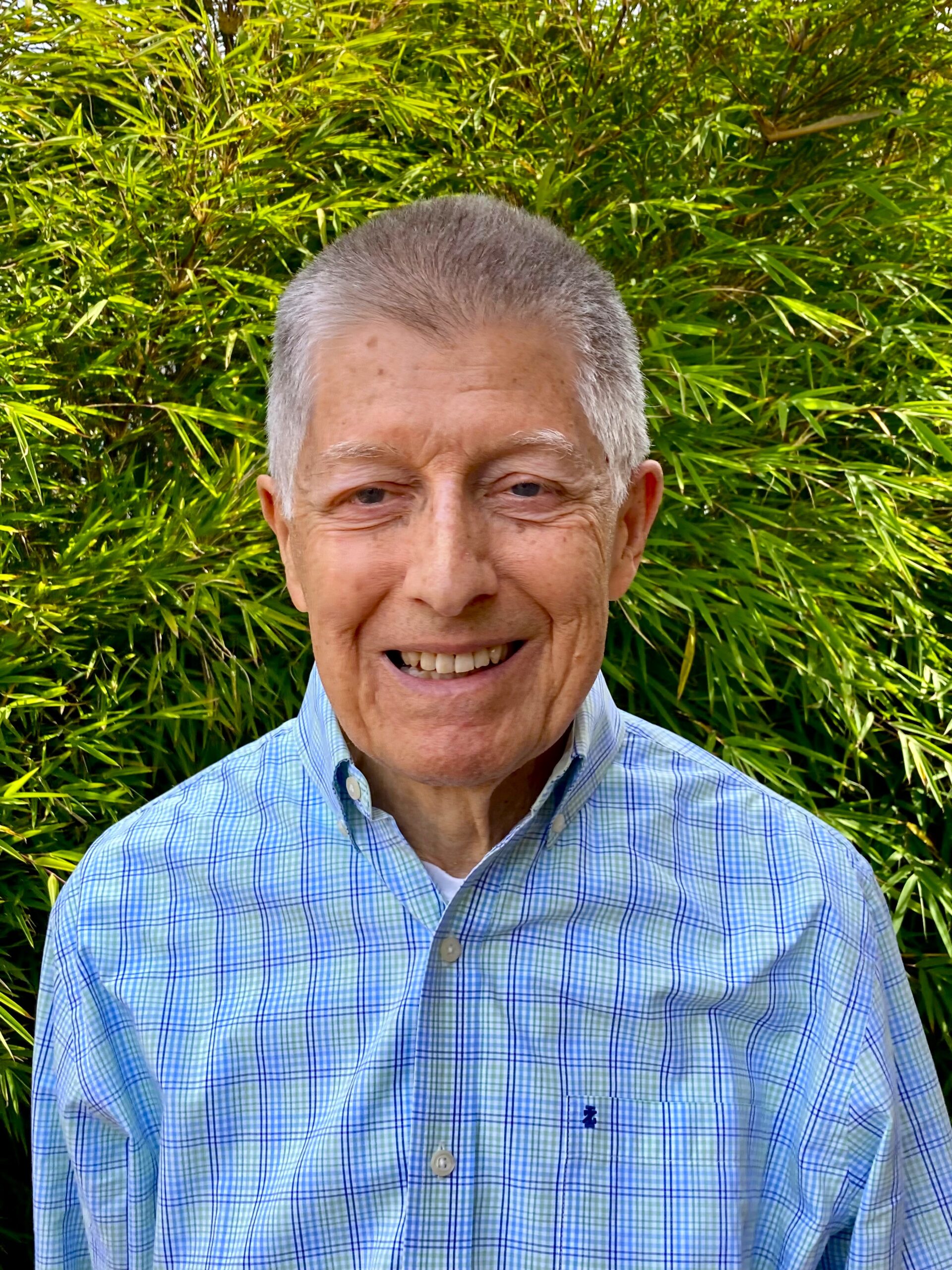
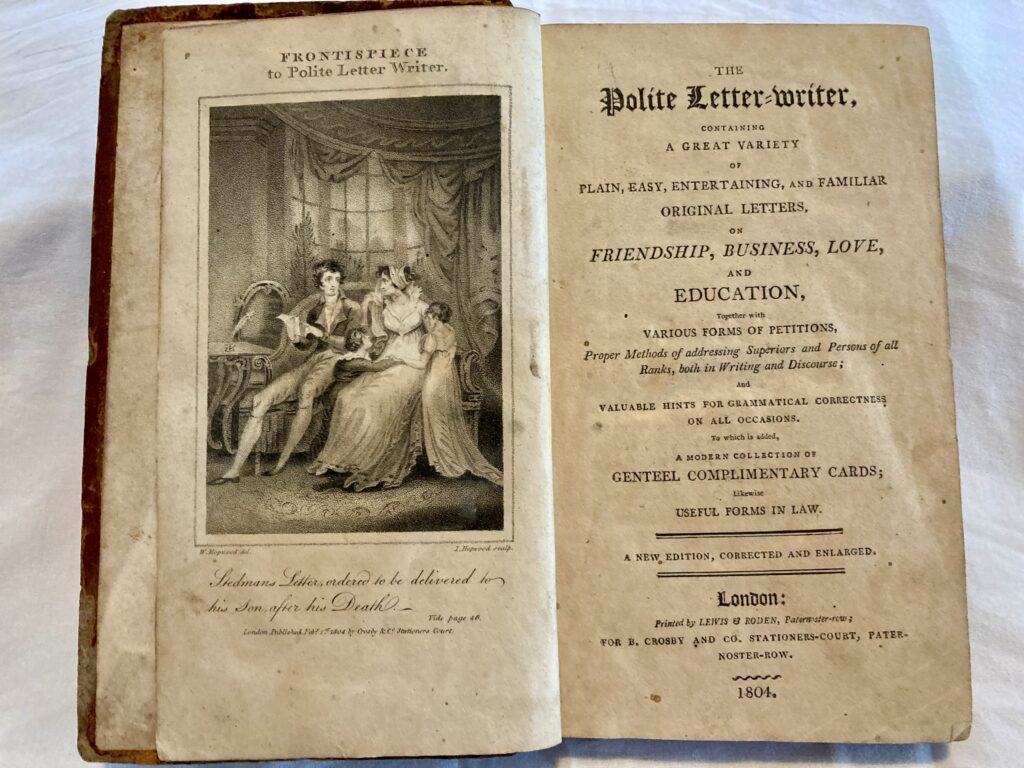
William Wreden ’58: Sincerely Yours

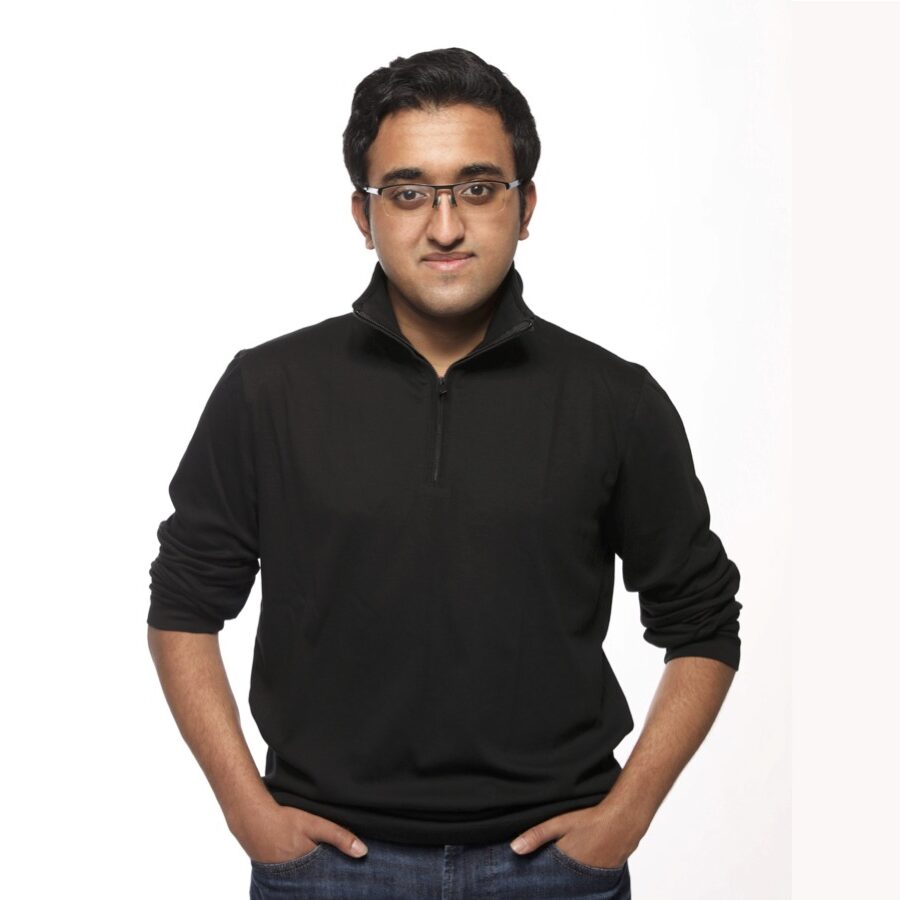
Ayush Noori ’20: The Love of Discovery

Ayush Noori ’20, a senior at Harvard College, is pursuing both a bachelor’s degree in computer science and neuroscience and a master’s degree in computer science, all in four years. The catalyst: for many years, Noori cared for his grandmother, who had progressive supranuclear palsy, a rare neurological disorder. Noori now aspires to develop AI tools that can customize diagnostic and treatment plans for people with PSP and other neurological disorders.

His research on this topic began when he was an Exonian. “When I was in Mr. Chisholm’s BIO510: Advanced Biology class, we would get breakfast in the dining hall many mornings,” he says. “I’d bring a stack of highlighted and annotated papers, well beyond what we were discussing in class, and he was generous enough to indulge all my crazy questions.

“That’s really how you foster someone’s intellectual curiosity,” he continues. “It’s by giving them permission to ask audacious questions that might defy the textbook, but that allow you to go deeper into the truth of the matter.”

While at Exeter, Noori presented a TEDx talk called “The Neuroscience of Non Sibi.” In it he discussed kindness and empathy, which he asserted to be the foundation on which human brains are formed. He believes the topic is worth continued exploration. “When we’re interacting with machines, sometimes it’s easier than interacting face-to-face with people,” Noori says. But “what do we lose when we start to think about AI-human collaboration? What do we lose in the value of sitting in a classroom, around the Harkness table, without electronics, reading from paperback texts and thinking about the human experience?”

Recently, Noori has conducted his hybrid explorations at the Department of Biomedical Informatics at Harvard Medical School; the Wyss Institute for Biologically Inspired Engineering, also at Harvard; and the Institute for Neurodegenerative Disease at Massachusetts General Hospital. At each institution, his collaboration with experts in a variety of disciplines has been built upon AI’s rapid acceleration. “The scale, complexity and modeling ability of large-scale AI models has really propelled our research forward,” he says. “I love the day to day of what I do, the simple, mundane experience of discovery, working with some of the smartest people I know and the promise that the work that we’re doing can potentially be impactful to people, now and into the future.”

All his work is grounded in the work he was doing at Exeter, he says, adding: “Exeter is one of the greatest gifts of my life.”

This feature was originally published in the Fall 2024 issue of The Exeter Bulletin.

Unearthing joy

Each year, the Dean of Faculty recommends one or two books for Exeter faculty to read over the summer. It’s a way of bringing us together to think about various topics relating to our work in the classroom and community. The common read I chose this summer was Gholdy Muhammad’s Unearthing Joy: A Guide to Culturally and Historically Responsive Teaching and Learning. It is a vibrant, exuberant book. When I thumbed through it and saw a QR code for a playlist that includes musicians John Coltrane, Stevie Wonder, Janet Jackson, Nas featuring Lauryn Hill, Bob Dylan and Nina Simone — with the Langston Hughes poems “Oppression” and “Freedom” on the facing page — I knew this would be my kind of summer read.

I don’t remember much joy accompanying my time in school as a kid. I often felt anxious about having to spend the day with teachers who didn’t seem to enjoy kids all that much, or getting caught up in recess games that took a page from Lord of the Flies. Joy was elsewhere: in the best satire of Saturday Night Live and The Simpsons, in hearing Run DMC and Tracy Chapman for the first time, or in my friends’ pitch-perfect imitations of our tormentors.

In my own teaching over the last 25 years, a central motivation and commitment has been to make it clear to students right out of the gate that the best classrooms are spaces of love. We will laugh together; we will be curious together; and when we encounter some of the best literature and film related to the human struggle for wisdom, compassion, justice and peace, we will probably shed a tear together.

Attempting to strike this kind of balance is so urgent, and so necessary, because these are such turbulent times. We know that students are increasingly anxious, and sometimes we imagine that we could fix it for them if we simply took away their screens. There’s some truth to that. What’s truly ailing this generation, however, is deeper than stress, deeper than anxiety, deeper than loneliness. It’s alienation, caused by the profound moral injury and cognitive dissonance of knowing that the power brokers of the world see them as disposable — as worth something only insofar as they offer labor that can be extracted and exploited, with no reliable guarantees of the most basic human rights, dignity and justice.

How can we blame young people for looking at their world and concluding that normalized mass death — from COVID, from the climate emergency and from war — is simply the cost of doing business?

Schools, therefore, must be not only a refuge from the madness and cruelty of the world, but also a place where students can speak and hear the truth about the world. Only then can we imagine ethical and just alternative futures together. Muhammad has some beautiful words for the importance of navigating these troubled waters skillfully and with love. For the best teachers, she writes, “love [means] interrupting the numbness and distance we feel when others are oppressed, hurt, or harmed.” She adds:

“[J]oy cannot be embraced fully if oppression is present … . This is why a balance of criticality and joy is essential. Joy also balances out the teaching of hard truths and histories, such as Indigenous boarding schools, Asian hate, Islamophobia, the Holocaust, and crimes against women and LGBTQ+ people (to name just a few of so many examples). Groups that experienced those truths and histories had joy before injustices were inflicted upon them. They often used the joy found in painting, music, fashion, and other artistic endeavors not to be overcome with pain.”

Authentic joy thus cannot be a matter of merely escaping what’s painful about the world. Joy comes through acknowledging our shared pain with straightforward honesty and courage. But once that honesty, connection and trust are established between teachers and students, look out. Liberation ensues, with its attendant joy. Such joy is so much deeper and more beautiful than the quick little hits of happiness that are constantly packaged and sold to us. It’s the big-hearted, full-throated joy of reconnecting with one another in shared beauty, imagination and play. It’s the abiding joy we feel when we can be part of teaching and learning at their best.

Listen to the playlist from the Unearthing Joy – this summer’s all-faculty read.

The Other Faculty Read

Exeter faculty had another choice for the common summer read: The Anxious Generation: How the Great Rewiring of Childhood Is Causing an Epidemic of Mental Illness, by Jonathan Haidt. The book, which shot straight to the top of bestseller lists, looks at the impact that the rise of smartphones and overprotective parenting has had on children and teenagers, particularly in the realm of mental health. In the wake of the book’s success, at least 13 states have passed laws banning or restricting smartphone use in schools.

Image missing alt text

Tom Simpson is chair of Exeter’s Religion, Ethics and Philosophy Department. He earned his Ph.D. from the University of Virginia in religious studies with a specialization in modern U.S. religious history. He has been teaching at the Academy since 2008 and is the author of the book American Universities and the Birth of Modern Mormonism, 1867–1940 and multiple essays about postwar Bosnia and Herzegovina.

Faculty

Faculty

Passions

Finis Origine Pendet: A Look Back

Rich Calvert ’50 recently sent his class correspondents a copy of his Look magazine from January 6, 1948, highlighting an article titled “Exeter Drops the Old School Tie: The 116-Year-Old Boys School Has a Tradition of Democracy.” We felt it was worth sharing with a wider audience.

In words and pictures of classrooms, debate meetings, sports practices and pillow fights, the article provides an intimate snapshot of the school at a time when the world at large was concerned with the Cold War, the Nuremberg trials and Gary Cooper.

Look also printed a poll taken among 659 students, including Calvert. Here are a couple of the questions and the responses: Do you think religious training is an essential part of your education?” Yes: 502. No: 184. Which is most important in your future — money, fame or the respect of your community? Money: 87. Fame: 44. Community respect: 534.

“Students’ opinions are conservative,” it declares.

Flip through the pages of Look Magazine from 1948

Lamont Gallery

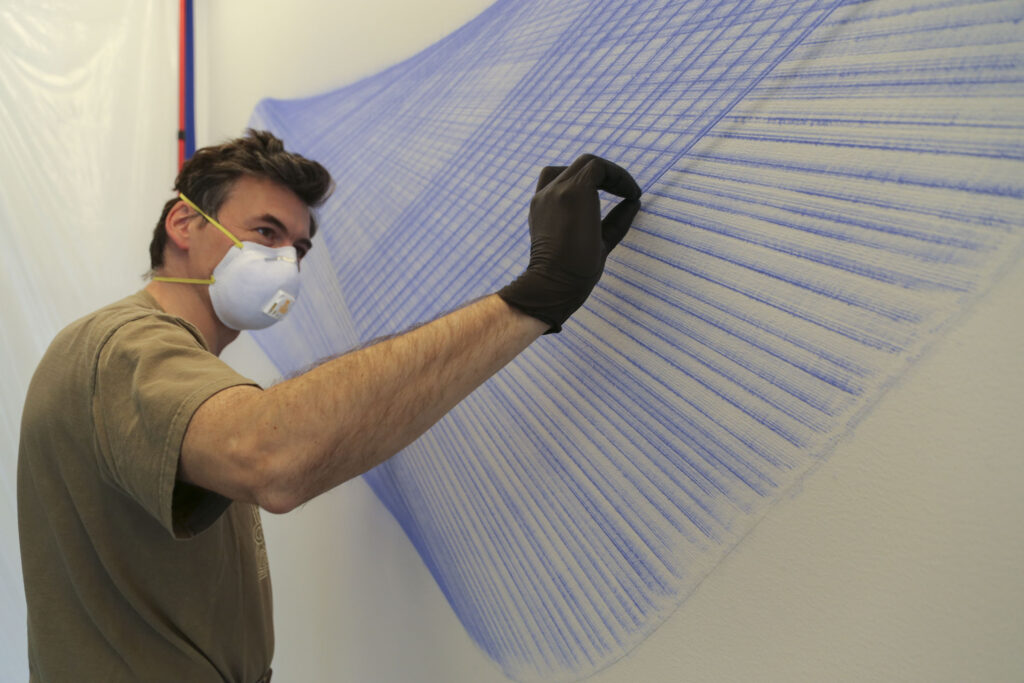
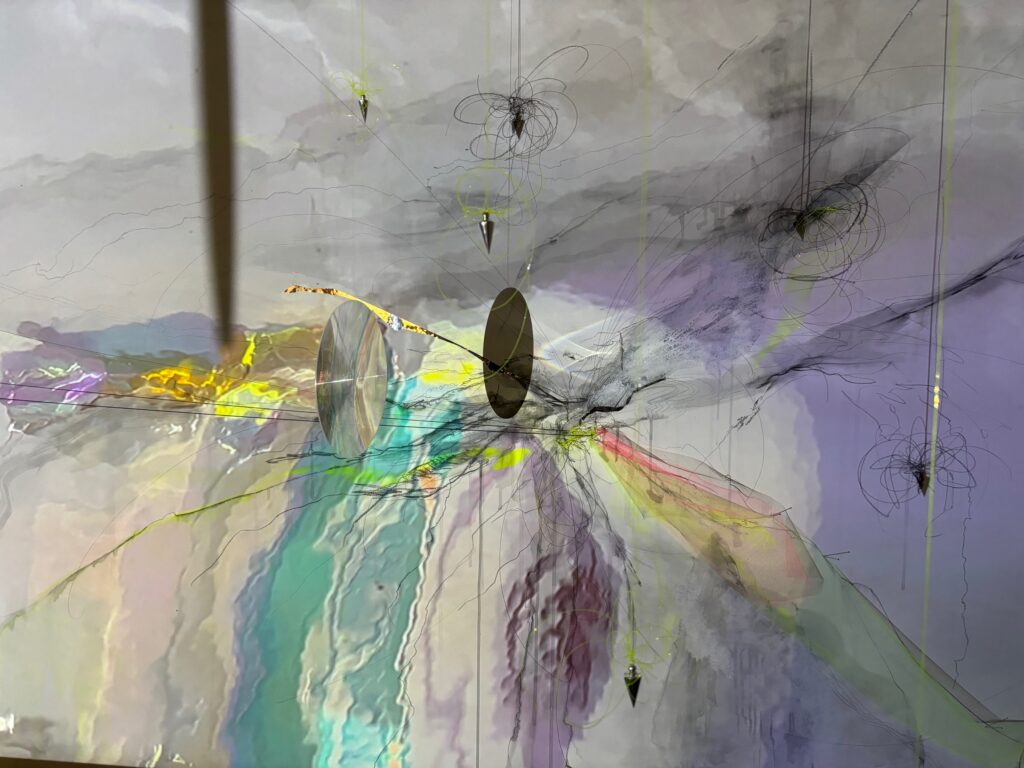
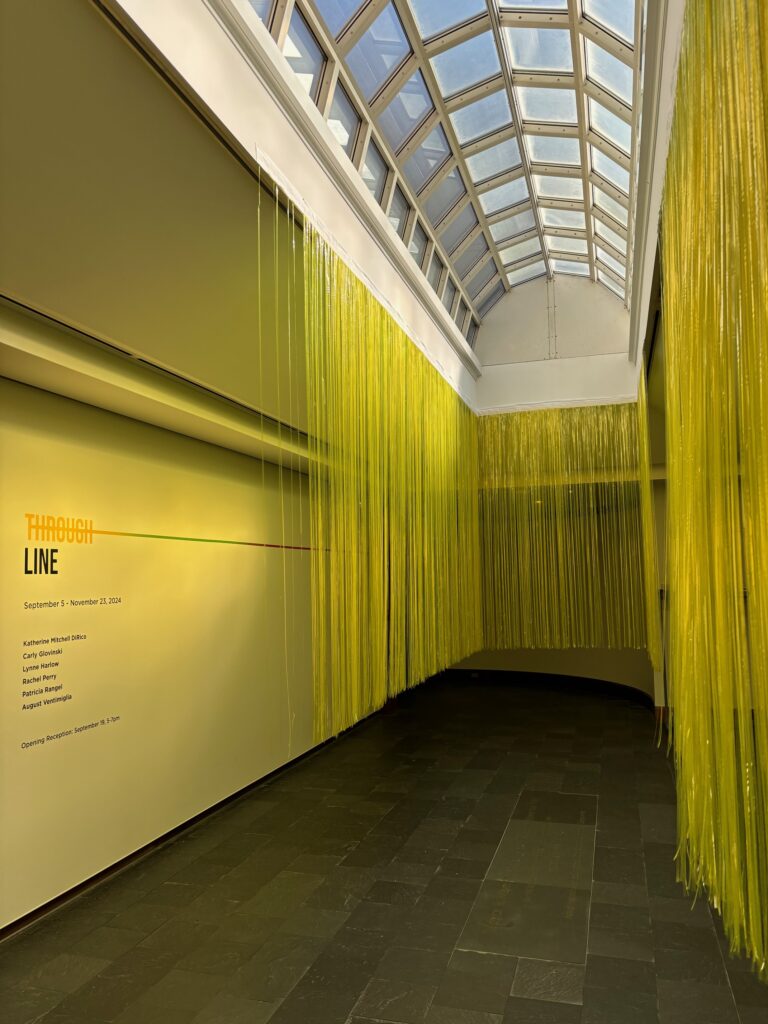
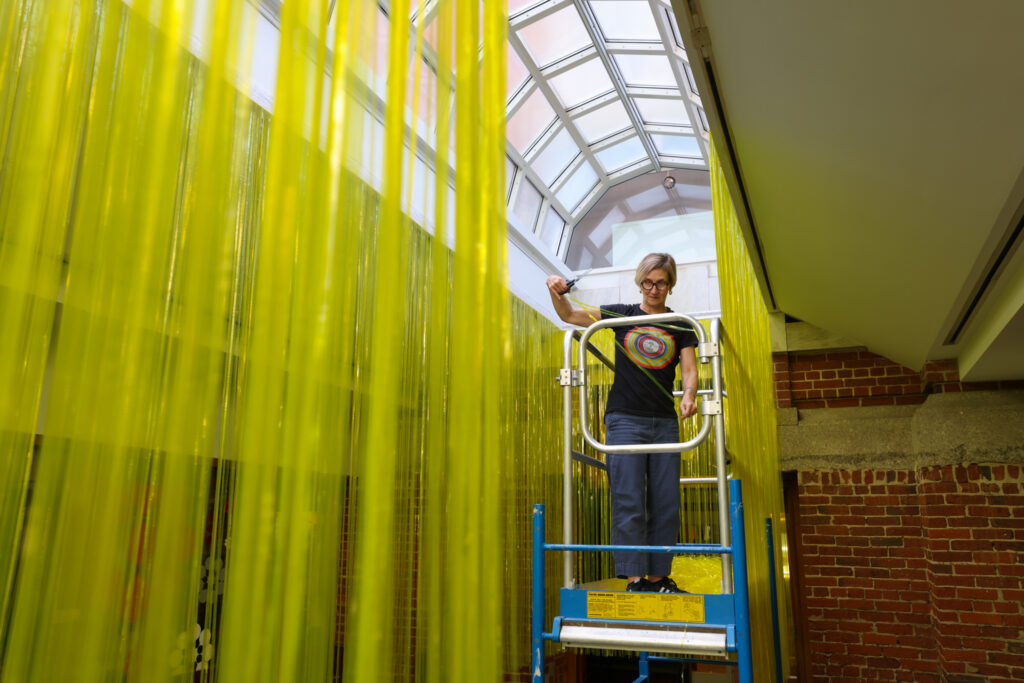
Behind the scene of the performative drawing I am Alewife by August Ventimiglia.

The process of creating it really is a conversation between the two people. The process unfolds over days. I have to trust the other person on the end of the line. It’s like having a dance partner.

August Ventimiglia

Opening Assembly 2024

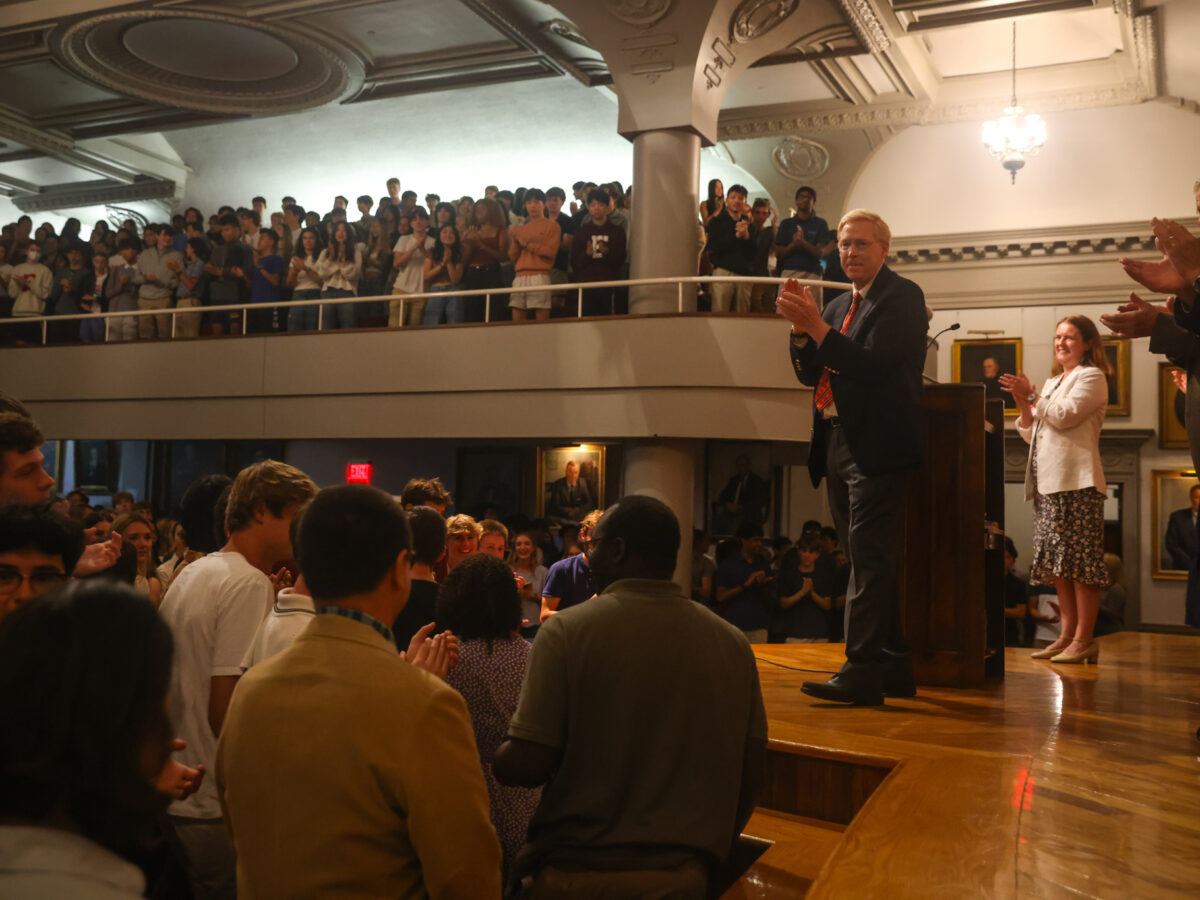
Principal Rawson stands on Assembly Hall stage clapping surrounded by an Assembly Hall full of students

Good morning, Exeter.

Thank you, Dean Page, for welcoming and recognizing our emeriti faculty this morning, and for introducing our new faculty. It has been a great pleasure getting to know our new faculty over the past couple of weeks.

I would like to extend a special, warm welcome to all our new students. You are 369 in number and come from 31 states and 28 countries. You bring a wonderful diversity of backgrounds, experiences, talents and interests to our school. We are delighted that you are here, ready to begin your Exeter journey.

Many of you know that I too once sat in this assembly hall as a new student. I was a financial aid student, as roughly half of you are. I worked hard, played sports, had fun, and made lifelong friends. Attending Exeter was a transformative experience for me.

But sitting in this assembly hall for the first time as a new Lower, many years ago, I was a bit nervous. I felt uncertain. I had questions. Would I fit in? Did I really belong at Exeter? Would I be able to do the work?

I like to tell our new students what I would have appreciated hearing as a new Lower. Returning students know this well because they have heard it before:

  • You can do the work.
  • You will make lifelong friends.
  • Absolutely, you belong here.

A few of you – 43 to be exact – are living off campus in a hotel for a couple of weeks while we complete the renovation of Langdell Hall. We appreciate your patience and understanding. You will be settled into a newly renovated dorm very soon. In the meantime, we will have a surprise or two for you along the way to make the wait a little more enjoyable.

The new dining hall will be completed near the end of fall term. Until then, we have the tent outside Elm and we have added serving lines and adjusted our daily schedule to even out the flow a bit. As you go through the lines, please let the dining staff know how much you appreciate all their efforts on your behalf, and please show your appreciation by clearing your tables properly. The new dining hall is going to be terrific and well worth the wait.

It is our tradition at Opening Assembly to revisit the Academy’s Deed of Gift and reflect on the mission of our school. The Deed of Gift was signed by John and Elizabeth Phillips in 1781, seven years before the State of New Hampshire became the ninth state to ratify the U.S. Constitution. Our Deed of Gift is a remarkable document.

It states that Phillips Exeter Academy “shall ever be equally open to youth of requisite qualifications from every quarter.”

It also states,

“Above all, it is expected that the attention of instructors to the disposition of the minds and morals of the youth under their charge will exceed every other care; well considering that though goodness without knowledge is weak and feeble, yet knowledge without goodness is dangerous, and that both, united, form the noblest character, and lay the surest foundation of usefulness to mankind.”

From these passages, we derive our mission statement. Our mission is to unite goodness and knowledge and inspire youth from every quarter to lead purposeful lives.

In the very first paragraph of the Deed of Gift, our Founders also wrote, “the time of youth is the important period, on the improvement or neglect of which depend the most weighty consequences, to individuals themselves and the community.” In essence, John and Elizabeth Phillips were saying that your time here matters. It matters to your personal development as human beings, and it matters to the world, because the education you receive here will provide the foundation for your purposeful lives.

We give expression to these ideas on our school seal with the Latin words finis origine pendet, which translated mean “the end depends upon the beginning.” These words express our belief that what you will accomplish in life, and how you will make a difference in the world, will be shaped by what you learn and how you grow here at Exeter. Graduates return to campus every year and tell us that the education they received at Exeter made the greatest difference in their lives. Time and again they say it all started here.

The Latin words “non sibi,” which mean “not for oneself,” also appear on our school seal and signify our belief that the education gained here should be used for the benefit of others as well as for oneself. Our core value of non sibi proclaims that we “seek to graduate students whose ambitions and actions are inspired by their interest in others and the world around them.” Non sibi represents the very spirit and ethos of our school.

With these thoughts in mind, I would like to share three goals that I have for you and for our school this academic year.

Have Fun and Find Joy

My first goal is that you have fun. This might not seem like something special, since we have fun every year, but it is still a good place to start. I want you to have fun and find joy in your classes, dorms, clubs, co-curricular and extra-curricular activities, performances, teams, ensembles, affinity groups – everything you do and everywhere you go.

I want you to find joy in knowing that you belong here, in discovering that there are other students here with similar interests and passions, and in building lasting friendships with students who initially might seem very different from you.

Without a doubt you will grow academically, thrive in the arts, compete hard athletically, and excel in various clubs and activities, as students do every year. You will earn some honors and likely win a few competitions and championships. But the fun and joy do not depend on winning. The fun and joy are in the doing, in the learning and growth that occurs, and in the friendships that you make along the way.

To have fun and find joy in these various ways, you need to be healthy. To be healthy, you need to eat well and get your sleep. Please eat well and maintain good, consistent sleep habits. You do not have to do everything. Please do not try to do too much.

But do try new things. An Exeter alum rowed in the Olympics just a few weeks ago. I saw her say on Instagram that she first learned how to row at Exeter. She tried something new and ended up in the Olympics. That might not happen very often, but every year Exonians graduate with passions that they discovered here. I encourage you to try new things.

Having fun does not mean you will not work hard. You have come here to be challenged, and with challenge comes hard work. As you rise to the challenges that come your way, you will begin to understand your capacity to meet those challenges. You will grow in confidence. You will develop self-belief. I hope that too will give you joy.

Lastly, on this point, please keep in mind that we have many kinds of support here – formal and informal. When you do face challenges, you will not be alone. We have these supports – counselors, advisers, learning centers, peer tutors, student listeners, and more — because we all need support from time to time. Using them will propel your growth and increase your joy.

Seek Complex Truths

My second hope for the year is that you embrace fully our commitment at Exeter to seeking complex truths.

Academic excellence is a defining strength and core value of our school, and one of the reasons why you chose to come here. Our statement of that core value states, “In every discipline, and at every level within our curriculum, we seek to inspire students to develop critical thinking skills and seek complex truths.”

Our goal is to teach you how to think, not what to think.

We are committed to helping you learn how to seek complex truths that take into consideration all relevant facts and that respect the dignity and equal worth of all human beings equally. So how do we do that? How do you do that?

The learning we seek at Exeter starts with being open to different points of view. It starts with being curious why people from different backgrounds and experiences, or maybe similar backgrounds and experiences, might think differently. It requires listening to other perspectives with empathy, humility and respect, and with the understanding that learning at Exeter is a collaborative process, a communal effort.

This kind of learning requires a certain measure of resilience. It requires understanding the difference between being uncomfortable and being unsafe. At Exeter, we want you to learn how to be comfortable with being uncomfortable. This will enable you to engage with facts and perspectives that might not seem to fit your worldview. It will enable you to plumb the depths of an issue and seek complex truths. This is what we mean by “rigorous inquiry and thoughtful discourse” in our core value statement of academic excellence.

Listening with curiosity, empathy and humility; being resilient; being open to different points of view; being comfortable engaging with facts that challenge your thinking – these are all skills. Skills that you can develop and practice. You might call them Harkness skills. Or goodness and knowledge skills. These skills are essential to your learning at Exeter and will provide a foundation for everything you do and everything you achieve in life.

The learning that we seek to encourage extends beyond the classroom. When you leave an assembly during the course of the year, rather than comparing reactions with students with whom you might expect to agree, seek students with whom you might disagree. Share your thinking not to persuade but to understand, and thereby deepen the bonds of respect and friendship that come from learning together.

Importantly, our diversity at Exeter – our commitment to youth from every quarter – also is a defining strength of our school that propels our learning. We celebrate our diversity across all dimensions and cherish the rich learning environment that it creates.

We delight in our diverse identities, but we are not defined by them. We are defined by how we think, how we act, what we do, and by our qualities as human beings.

I am reminded of a passage in A Wrinkle In Time by Madeleine L’Engle. In this passage, aliens who don’t have eyes and cannot see find it unhelpful when earthlings try to give a visual description of other beings. The aliens say, “Think about what they are. This look doesn’t help us at all.”

This last point is critical, because there is a large body of literature that tells us that we sometimes tend to have less empathy for persons whom we perceive as different. That is the opposite of what we should be striving for, because our learning and growth are not advanced by engaging with persons who think just like us. Our learning and growth are advanced by engaging with persons who think differently.

We understand that the promise of our diverse community is realized fully only when we commit ourselves to rigorous inquiry and thoughtful discourse in this way.

By contrast, anything that narrows our thinking, or closes our mind to different points of view, will inhibit our learning as individuals and as a community. When we stop being curious, we stop learning.

I said earlier that learning at Exeter is a collaborative process, a communal effort. Interestingly, the word “competition” is derived from the Latin word competere, which means to strive together. Even when we think we are competing against our archrival to the south, in reality we are competing with them. Here at Exeter, in the classroom, in the dorm, on team buses, in the theater, at Grill, you are learning and striving together. You are learning with and from each other, and together pursuing a common goal to prepare yourselves to lead purposeful lives.

Gratitude

I would like to close this morning with a few words about gratitude. Gratitude is a common theme at graduations, but it is important to start the year with some of the same thoughts in mind. My third goal for the year is that you nurture a culture of gratitude, grounded in our core value of non sibi, and share your gratitude with those around you.

It is an extraordinary privilege to be a part of this community. We know this, but in the pressure of our daily business, and in moments of disappointment, we can sometimes forget and take things for granted. When we do that, we disrespect the privileges that we all enjoy as members of this community, and we disrespect the sacrifices of all those persons who have made our time here possible.

I hope you will always be grateful to your teachers and all the other adults, here and at home, who support you during your time at Exeter. I hope your gratitude will extend to prior generations of teachers and students who have helped create and shape the Exeter of today, and who have thereby made your experiences possible.

I am very excited about the year ahead. Walking about the campus these last few days, it has been great fun seeing the energy and joy that you all bring to a new school year. It certainly will be exciting to see all that you will do and accomplish this year. It will be fun to watch you carry on old traditions and perhaps start new ones. It will be fun simply seeing the many ways you have fun.

Lastly, remember, you are all Exonians. One way we recognize this is to hand out a new school shirt each year following Opening Assembly. This is another way we welcome new students, and a reminder to all students that you all belong here. Your shirts await you in the Academic Quad. Please take a shirt with your class year on the front.

By tradition, we end all assemblies with the words “Senior Class.” At Opening Assembly, all who are not seniors keep their seats while we allow seniors to leave the assembly hall first.

Senior class!

Exeter Deconstructed: The Academy weather vane

Ship ahoy!

Exonians for a century have peeked anxiously toward the Academy Building’s bell-tower clock as they’ve scurried to get to class on time. And for just as long, the Sidney S. has sailed quietly above the fray.

The triple-masted ship perched atop the bell tower has served as the Academy’s weather vane since the school’s fourth and current Academy Building was completed in 1915. Given by an anonymous donor, the ship bears the name “Sidney S,” a reference to Sanford Sidney Smith, class of 1866, who was the president of the Trustees at the time.

Why a ship? According to Myron Williams, in his 1957 book, The Story of Philips Exeter, the ship is an homage to the great seal of the State of New Hampshire, which features the Raleigh, one of the original 13 warships commissioned by the Continental Congress for a new American navy, built in 1776 in Portsmouth. The weather vane is also believed to be recognition of the town of Exeter’s once-vibrant role as a mercantile seaport and shipbuilding center.

In 2000, the weather vane received a fresh gilding with 23-karat gold leaf when the clock and bell were restored. The Sidney S. sails on, more than a century after her maiden voyage.