

Governors' ball: Pols pitch message of respect

Gov. Ned Lamont '72 and Gov. Chris Sununu told an Exeter evening assembly that civil discourse is critical to democracy.
Rancor and disrespect often define political discourse in America today, but two politicians from opposite sides of the aisle showed Exeter on Tuesday night that acrimony needn’t be the rule.
Connecticut Gov. Ned Lamont ’72, a Democrat, and New Hampshire Gov. Chris Sununu, a Republican, took the Assembly Hall stage for an hour-long dialogue devoid of pique. The collegial discussion was hosted by the Academy’s Republican and Democratic clubs, and club co-heads Leo Braham ’24, Beverly Oleka ’25, Carter Otis ’24 and Natalie Welling ’24 took turns posing questions to the governors before a crowded hall.
Watch the full discussion on Exeter Live
Studies show that a large majority of Americans say the tone and nature of political debate in the country has become less respectful, less fact-based and less substantive. People’s everyday conversations about politics and other sensitive topics are often tense and difficult. Foundations representing nearly every former president from Herbert Hoover to Barack Obama released a joint letter this month calling on Americans to engage in civil political discourse, and to remember that tolerance and respect are key to peaceful coexistence.
Tuesday’s guests addressed the topic head-on.
“You see all the fights down there in Washington, we’re going to shut down and we’re going to impeach, and everybody fights in their tribes,” Lamont said. “The governors are a little bit of a sea of tranquility in the sense that we have so much more in common than what we have that divides us.”
Both governors shared messages that mirror the Harkness learning principle of listening to understand, not simply to respond. Sununu asked the audience, “When you come to discussions, whether it’s like this or whether you’re going to have an argument on politics over family dinner or you’re just talking amongst friends, are you coming to have a discussion with a preconceived notion to get your own convictions validated? Or are you coming to the discussion to say, ‘Gee, this person might disagree with me. I wonder why. I wonder what the basis is.’ What’s the background? What’s the history with this individual and this issue that has gotten them from A to B to C that might be completely different from where you are?”

The moderators asked topical questions that included issues such as artificial intelligence, the opioid crisis, a livable wage, gun control and free speech. On many topics, the governors hold differing views (Lamont supports nationalized gun laws, for instance; Sununu does not; Sununu rejects the practical importance of increasing the minimum wage; Lamont says it “sends a signal to people that we value their work.”), but the respectful tone of the conversation never wavered.
Lamont was asked how he responds to the criticism of his fervent support for public education even though he “attended one of the wealthiest and most prestigious high schools in the nation.”
“I think I went to one of the greatest high schools in America,” he said. “It was much more diverse than Syosset High School on Long Island where I would’ve come from. And I learned a lot about people. We were a little whiter and a hundred percent more male than it is today.
“At my age .. it’s not where you’re from, it’s where you stand. And I think I’ve got a long record. People know where I stand on these issues so they can say, ‘Hey, you went to Exeter, you’re not like me.’ And they get to know you and they realize you’re fighting for ’em every day. … I’m proud of where I came from, and I like to explain that to people every day.”
On the topic of free speech and tolerance for viewpoints different from our own, the governors agree.
“You all know what empathy is, right? Do we practice empathy every day?” Sununu asked. “Empathy is something to be practiced, right? We call it disagreeing better. We all need to disagree better.”
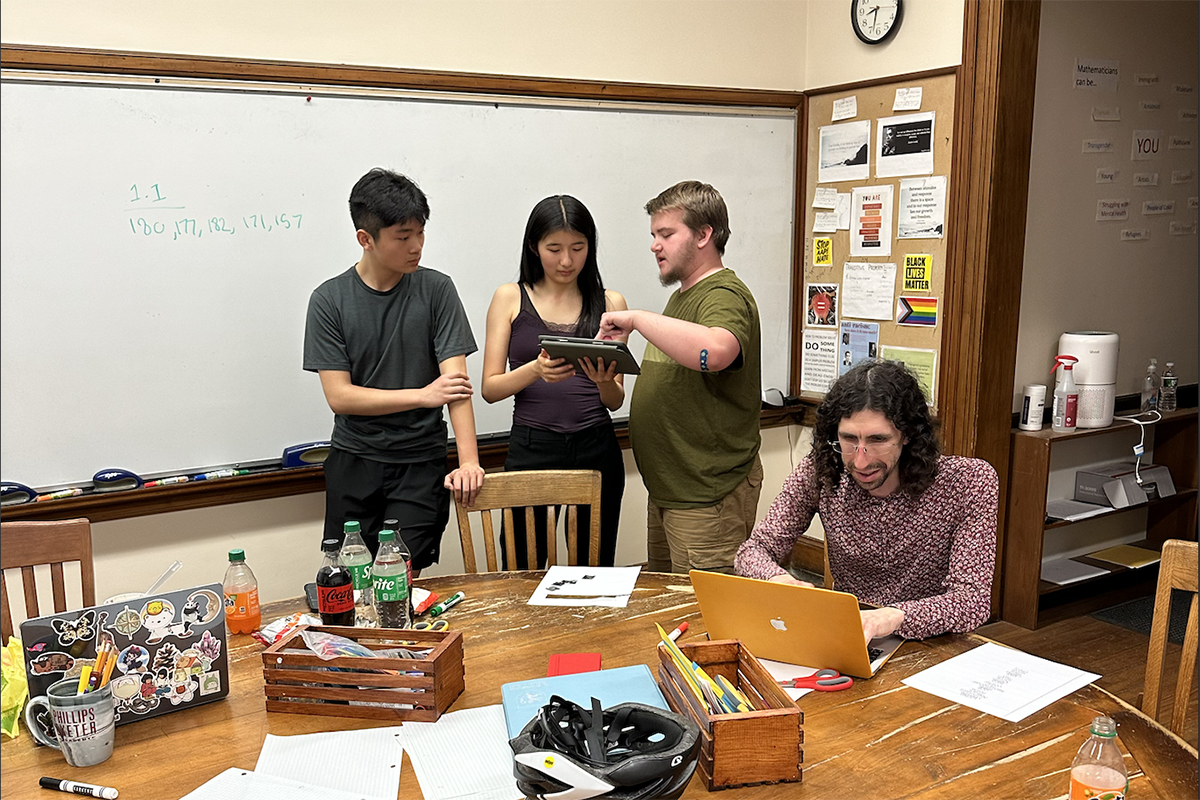
 By 8:30 p.m., HQ is spread thin. The other six members of HQ are giving hint requests in various classrooms, so I am monitoring answer submissions solo in HQ. For each submission, I call to inform the team whether the answer is correct. Confirming a correct answer often results in a delightfully deafening cheer from the team.


 Fred enjoyed singing, a talent he furthered as a member of the Yale Glee Club as well as the Whiffenpoofs, the university’s a cappella group. He and his wife, Joan, also performed with the Yale Alumni Chorus. In his later years, Fred was an enthusiastic supporter of Charleston Stage and appeared in such productions as My Fair Lady and Of Mice and Men.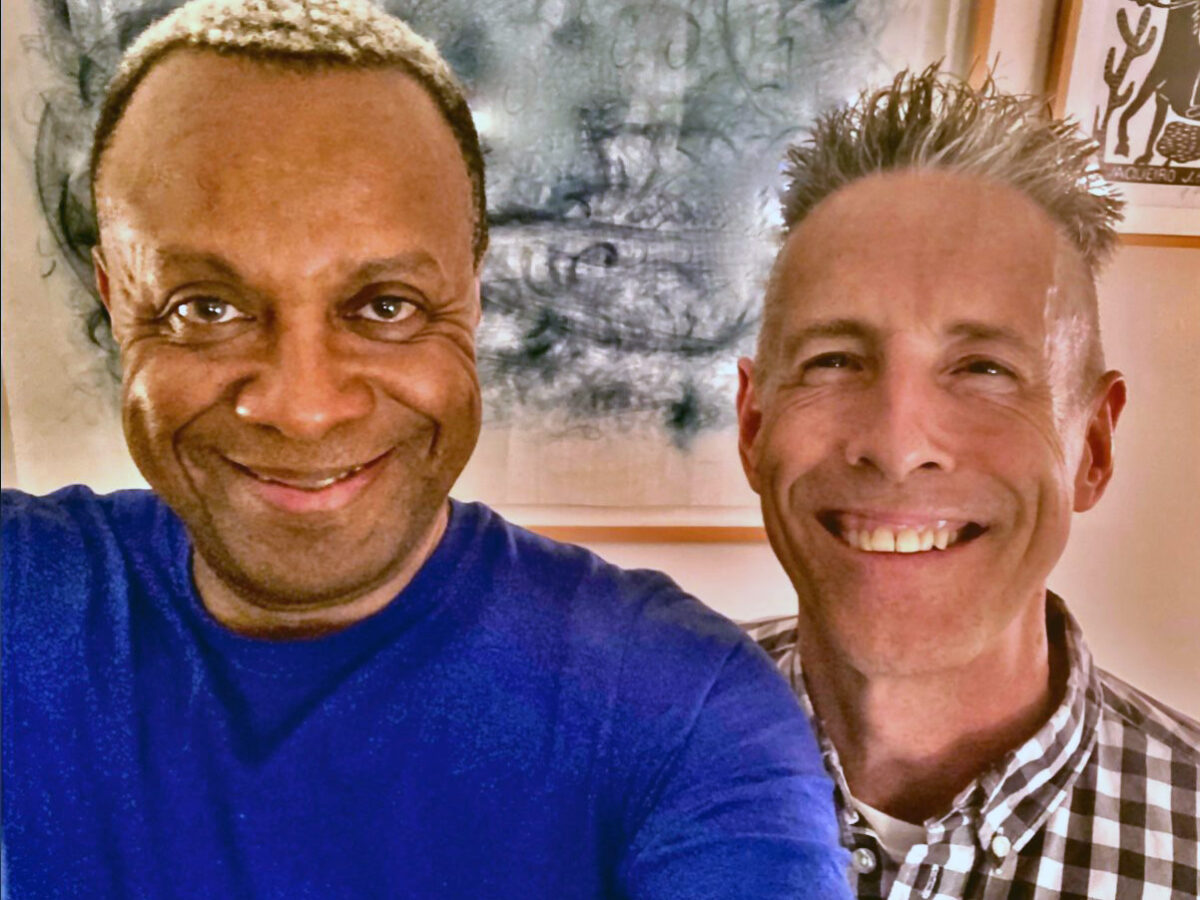
 ODELL: Initially, I was intimidated by [coach Moore]. It was clear she was incredibly smart, loved teaching and loved getting up early to speak through her bullhorn on the river. As I got to know her better, I realized we were similar in a lot of ways. We’re both direct, we both love the life of the mind, and we see teaching as an intellectual pursuit. I came to the Exeter Humanities Institute when I started teaching in 2013, and she was one of my instructors. I used to call her when I was teaching English, and she always had a deeply thought-out answer that showed her abiding passion for what she does as a teacher.
 she won a Merrill Presidential Scholarship that allowed her to invite her most influential high school teacher to campus for the ceremony. Corner-Dolloff immediately thought of Matlack. Today, she is senior policy adviser for climate and agriculture in USAID’s Bureau for Resilience and Food Security.
