The Big Takeaways of Small Talk
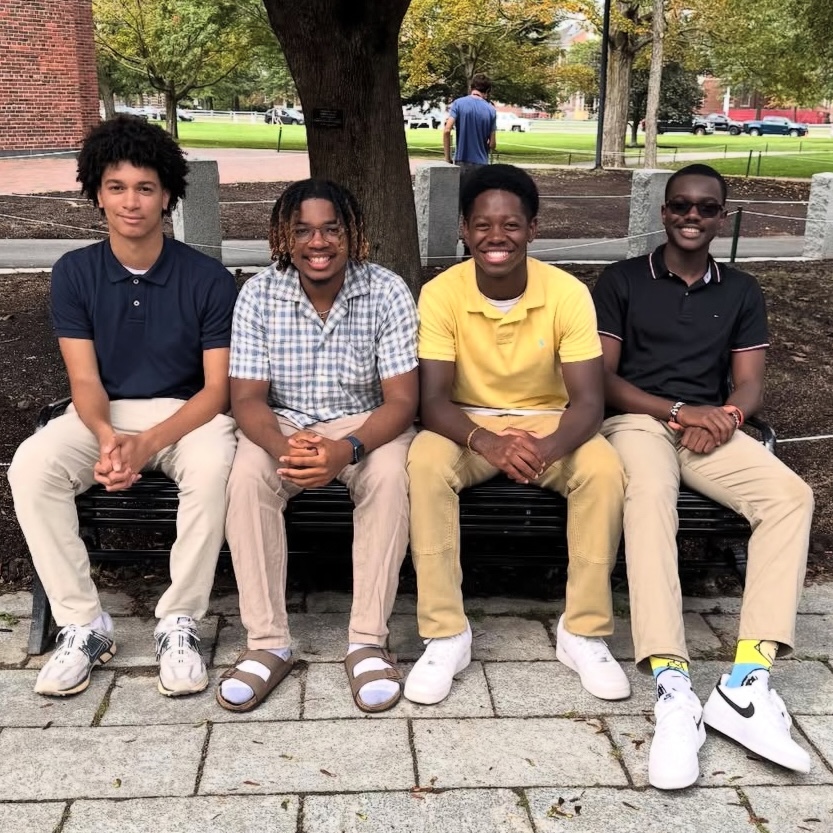
Marcus Lopez '26 on how he's connecting students with faculty outside the classroom
At Exeter, most of our interactions with teachers take place in settings such as Harkness discussions, office hours or the learning center. While these interactions are valuable, they often don’t focus on the unique aspects of each faculty member. During my four years at Exeter, the most meaningful conversations I’ve had with faculty have occurred outside the classroom: specifically, casual talks with teachers over lunch in the dining hall or the Office of Multicultural Affairs.
In those moments, I learned about their interests, experiences before coming to Exeter, and the paths that led them here. These conversations with faculty helped me see them beyond their classroom roles. When Dean Camlius told me that most students don’t interact with faculty outside class, I began thinking about ways to create an environment that encourages students to do so. After pitching my idea to Dean Taylor and Dean Hernández, Table Talk was created to give more students the opportunity to connect and have honest dialogues with faculty.
The structure of a typical Table Talk meeting is intentionally informal. I usually begin the meeting by asking the faculty guest a question about something they enjoy outside of teaching or why they chose to work at Exeter. The opening question leads into a broader conversation, and as students begin asking their own questions, the discussion develops organically.
As the conversation unfolds, faculty often share stories about their lives, careers and experiences before Exeter. These stories frequently surprise students Marcus Lopez ’26 (far left) and friends outside of the Class of 1945 Library because they reveal sides of teachers that we rarely see in the classroom. For example, in one meeting, Mr. Campbell talked about his experience as a DJ during college and how music was a major part of his life before he became a teacher. In another meeting, Dr. Gronau discussed how faculty members think about certain aspects of campus life and what it is like to work at a school like Exeter.
The response from students has been extremely positive. Many students leave the meetings saying they discovered that they have more in common with faculty than they expected. Others say that hearing these personal stories makes teachers feel more approachable and relatable. One of the biggest takeaways is the sense of humanization that happens through these conversations. Instead of seeing faculty only as authority figures or as the people grading our work, students begin to see them as individuals with interesting backgrounds, hobbies and life experiences.
Ultimately, Table Talk has helped strengthen connections between students and faculty on campus. I believe these relationships are an important part of what makes the Exeter community unique. Table Talk has helped build many meaningful connections, and I am excited to continue growing the program during my senior spring term.