All Rise
All Rise
How Exeter’s mock trial teams prepare for the courtroom – and find camaraderie and confidence along the way
It’s 7:30 on a Monday night in October and Lauren Lee ’26 is examining a witness in a small classroom on the third floor of the Elizabeth Phillips Academy Center.
“When approached by the defendant, Ms. Grant wasn’t holding a weapon, was she?” Lee asks Jillian Cheng ’27. Except Cheng is not exactly Cheng at the moment — she’s playing the role of Cameron Rodriguez, a military veteran and retired police officer with more than 30 years of experience.
“No, she wasn’t,” Cheng says. “However, her appearance matched that of the dispatch report. … He had a reasonable suspicion, and so he approached her.” Lee continues, her tone sharpening. “And did she cooperate when Officer Smith asked for consent to search her person?”
“Initially she cooperated, but she quickly became violent,” Cheng says without hesitation.
Sensing an opening, Lee presses further: “That’s a yes to my question, She cooperated when he asked for consent to search?”
“Initially, yes,” Cheng concedes.
Lee and Cheng — acting as lead attorney and expert witness — are working through Addison Grant v. Sam Smith, a realistic (but fictional) civil case in which a police officer stands accused of using excessive force when arresting a homeless woman with seizure condition.
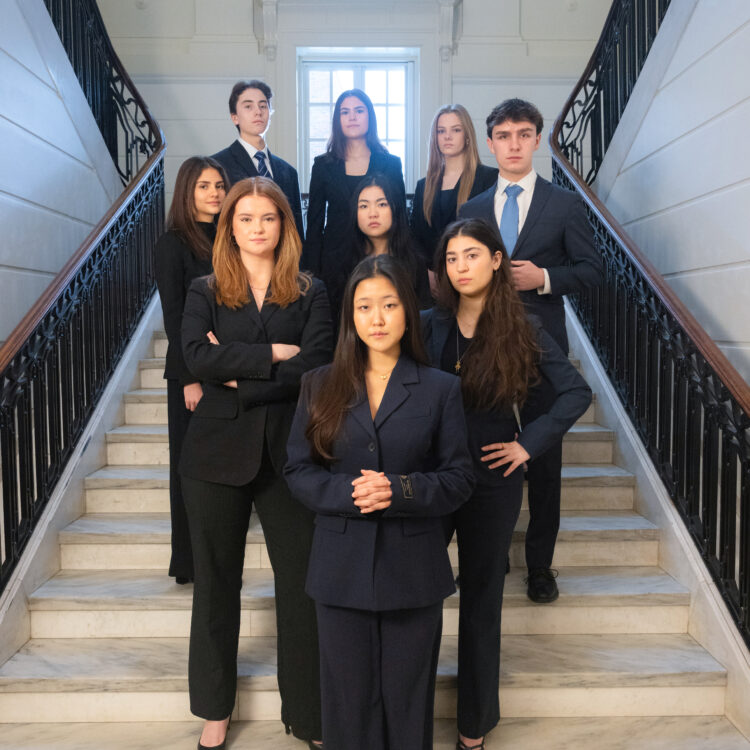
Along with two other A Team members of Exeter’s Mock Trial Association, they are practicing direct and cross-examinations for a mock trial invitational competition in early December. Over the next several weeks —encompassing fall term finals, Thanksgiving break and the start of winter term — club members will devote significant practice time, individually and together, to prepare. The invitational is an opportunity for all three Mock Trial teams to hone their material before the 2026 state competition.
When Lee wraps up her cross-examination, it’s time for feedback. Zoe Miller ’26, a witness leader for A Team, says Lee should consider splitting many of her long questions into two parts, to make them clearer and more straightforward.
“Jillian, for your cross responses, one habit you have is saying ‘Yes, and,’” Miller continues. “I think rather than saying that, you should say, ‘Well, not entirely’ or ‘Not quite.’ Saying ‘yes’ gives them too much.”
Lee chimes in from the lawyer’s perspective, as Cheng takes the note. “Yeah, when I hear a ‘Yes, and,’ then I’m like, hmm, I’m just going to ask, ‘Was that a yes?’ and move on,” she says breezily. “But if I hear ‘Not quite,’ I kind of have to listen.”
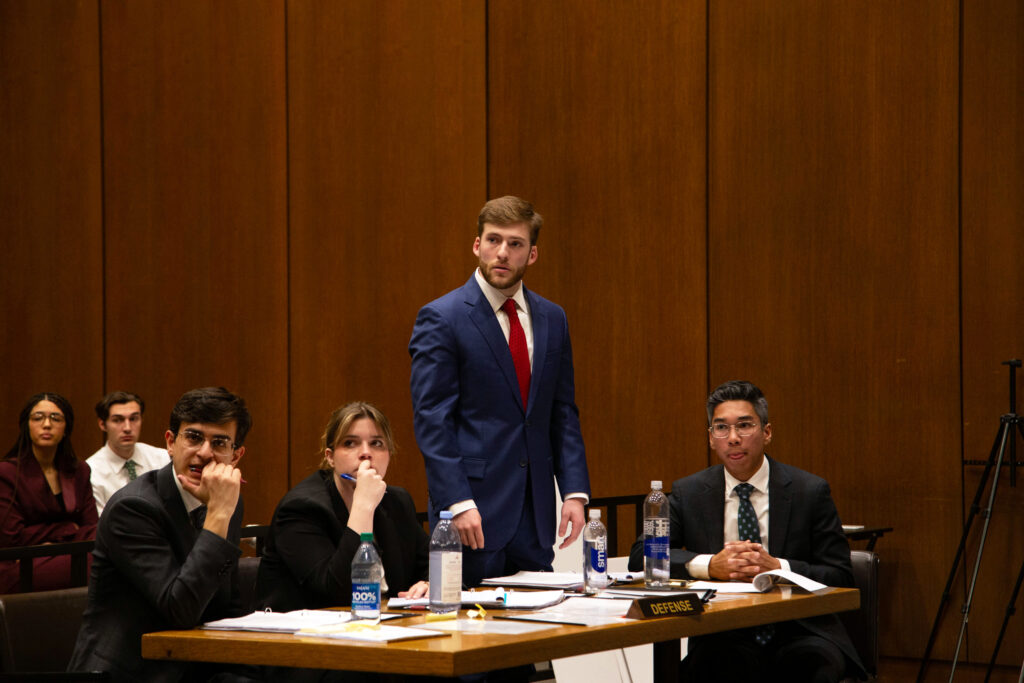
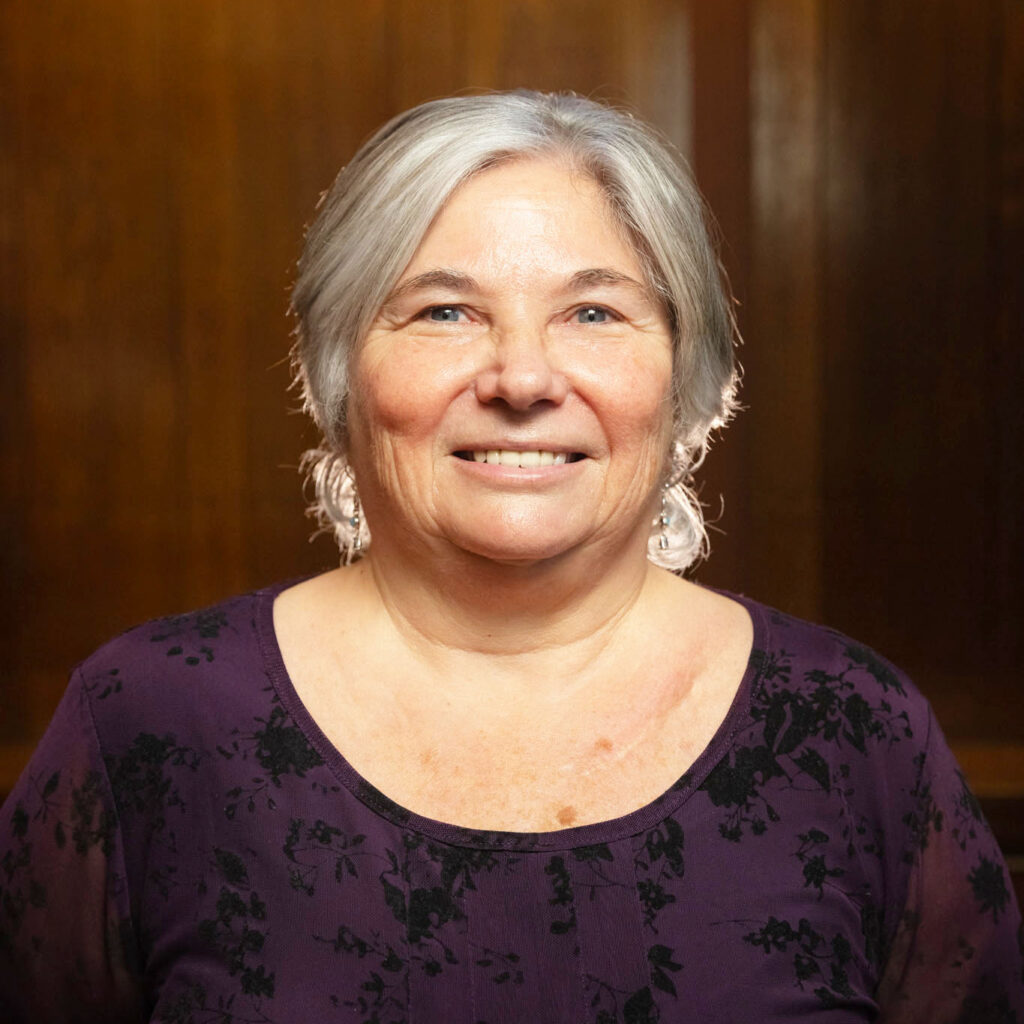
(left) Anderson Lynch ’23 competing for the University of Chicago mock trial team; (right) Exeter Mock Trial Association adviser Lori Novell
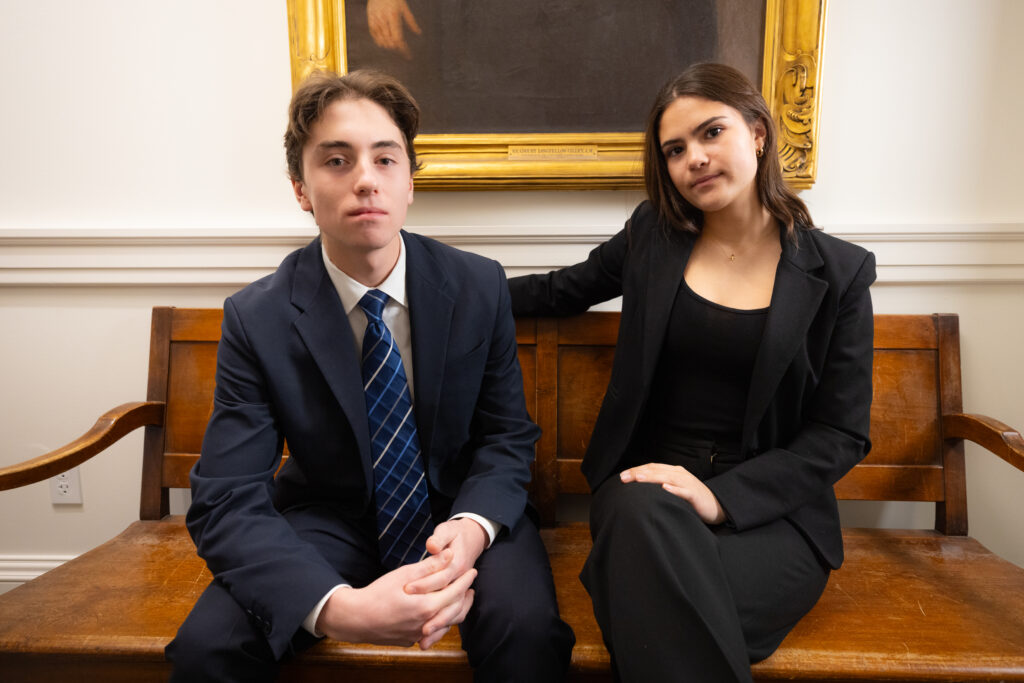
A Team attorneys Theo Stien’28 and Kalina Marinov ’27