A modern institution: Climate Action Day turns 12
Exeter's annual day for getting its hands dirty has become an Academy tradition.
Scour all 78 pages of Exeter’s spectacular Courses of Instruction guide, and no where does Climate Action Day appear.
But just as every classroom is home to a Harkness table and every sports season ends with a game against Andover, every April at the Academy includes a day for the community to reconnect with the natural world.
Now in its 12th year, Climate Action Day raises awareness of climate change, teaches students about their small place on a vast planet and reminds us to reflect on environmentalism as an integral part of human existence.
This spring, the programming was divvied up by class:
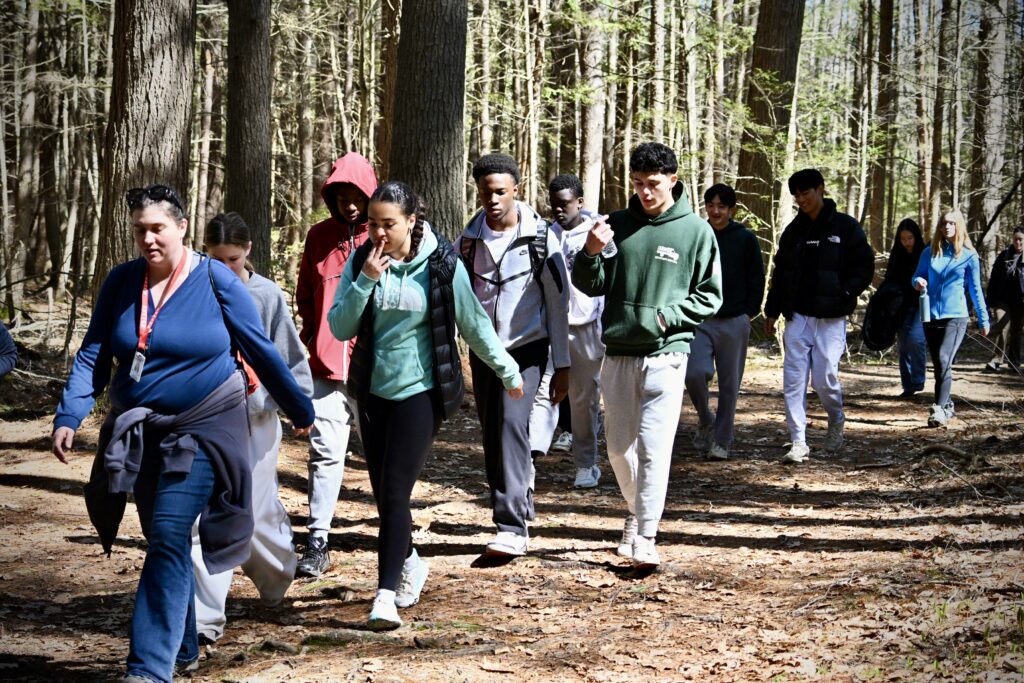
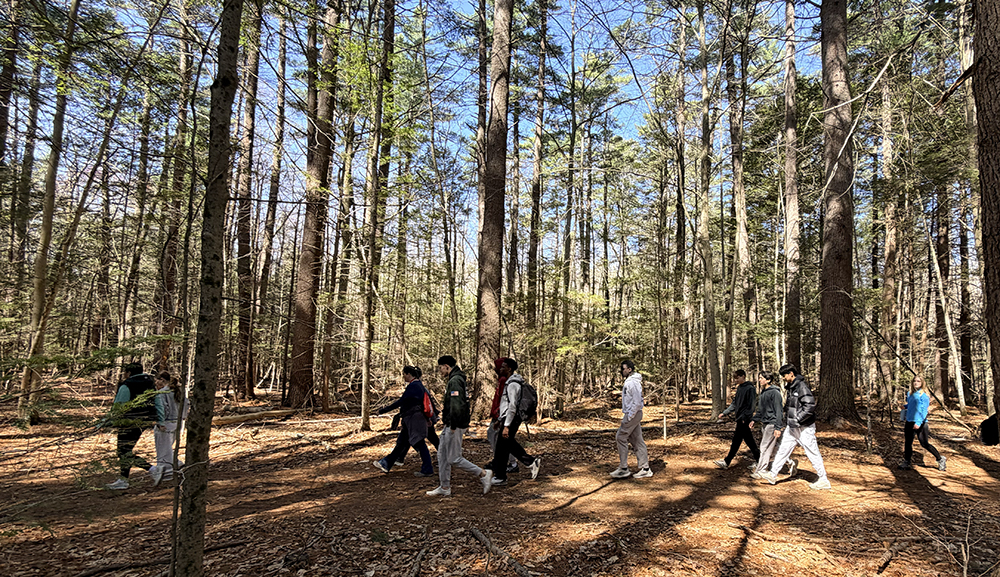
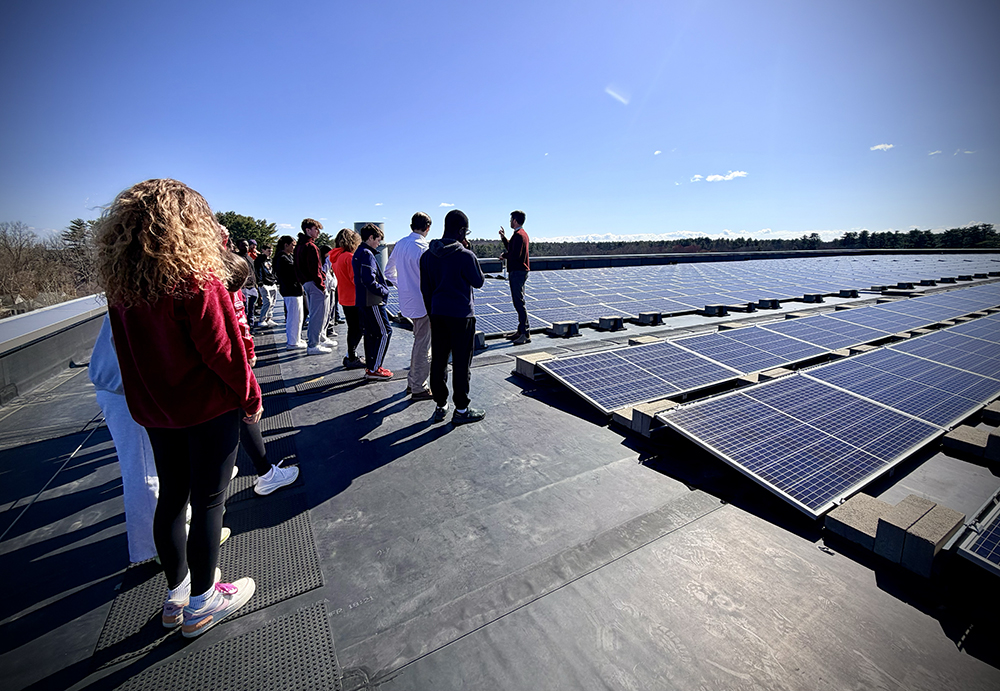
- The ninth-graders stayed on campus for a crash course in Academy sustainability, from learning about the dining halls’ practices, to trip to the top of Thompson Field House and a survey of the solar array, to a loop around the vast network of trails throughout the Academy Woods.
- Lowers visited a variety of local farms, including an organic dairy, a permaculture farm, and a fruit farm — each functioning at different scales. The tours included a dive into the methods of sustainable operations and some chores like planting, tilling, weeding, fencing or cleaning.
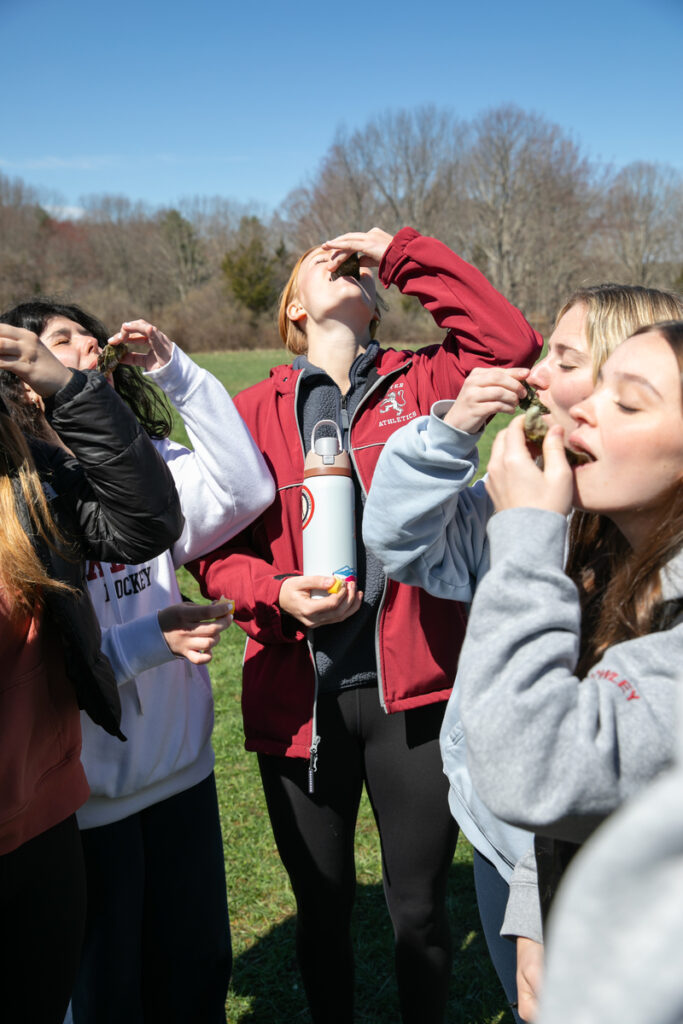
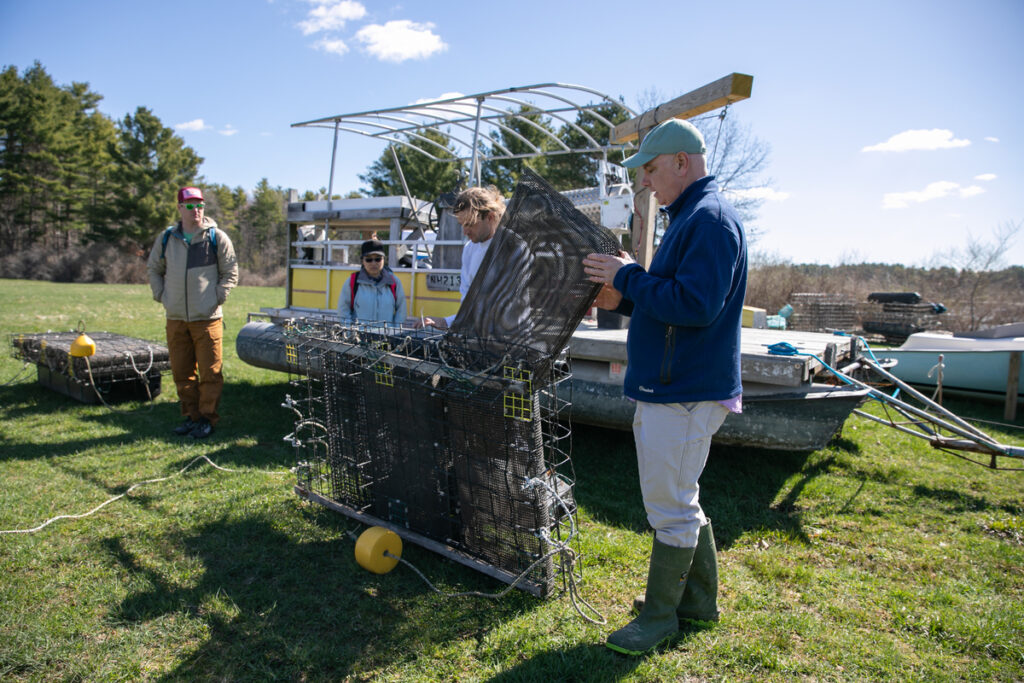
- Uppers learned about the unique marine ecosystems proximate to PEA. Some set out to salt marshes at Odiorne State Park and on the Great Bay; others bused to Maine to learn about innovations in fishing gear; still others cleaned up local beaches and planted dune grass or were introduced to oyster farming on a tidal river.
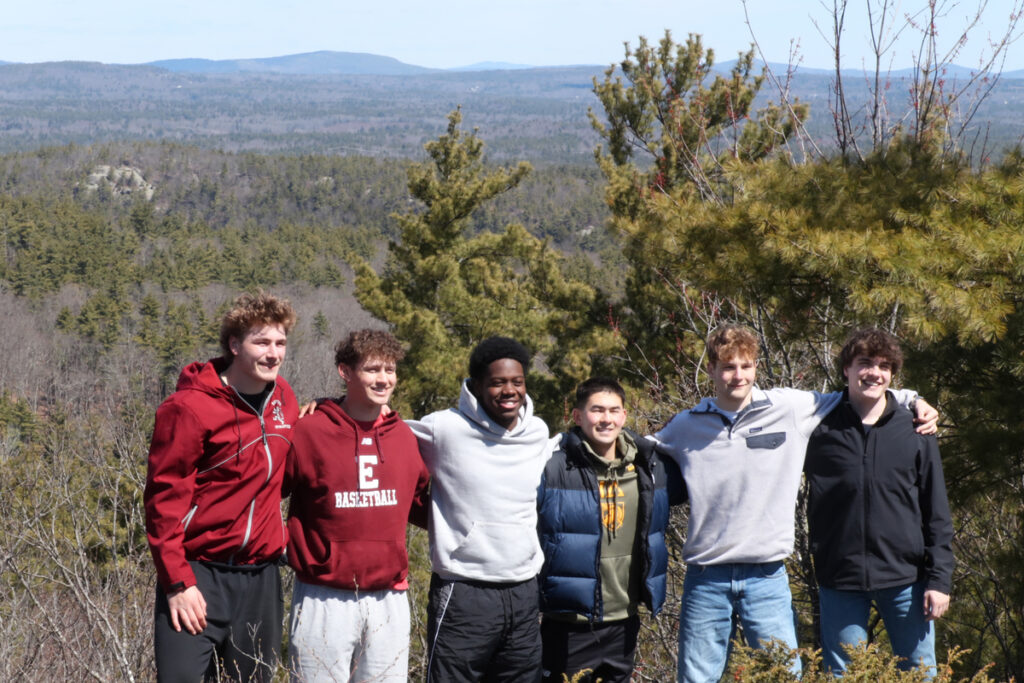
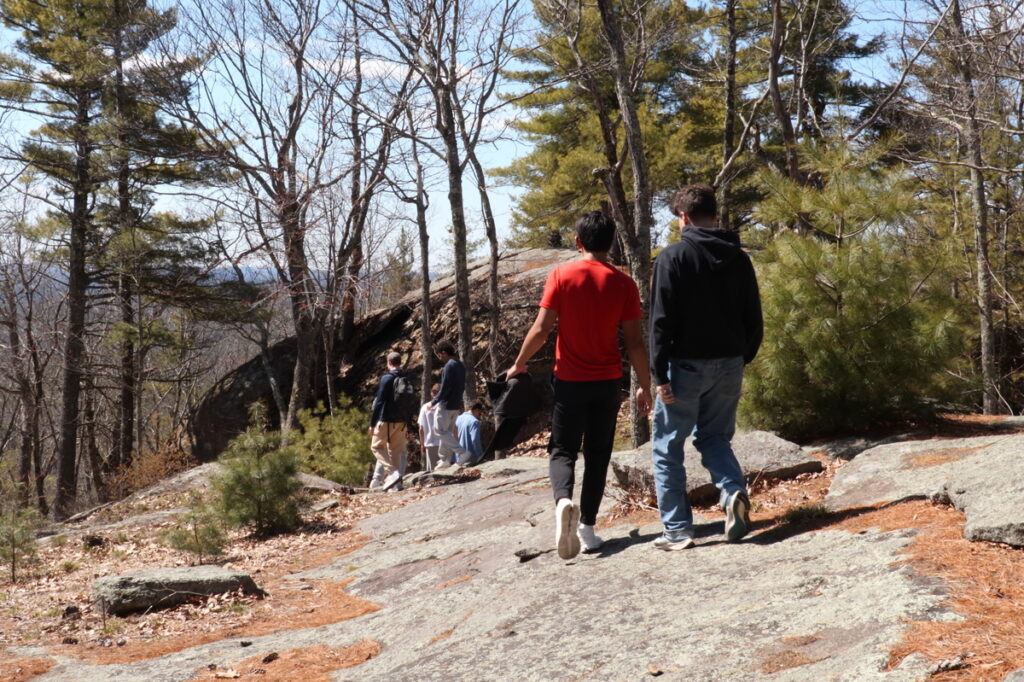
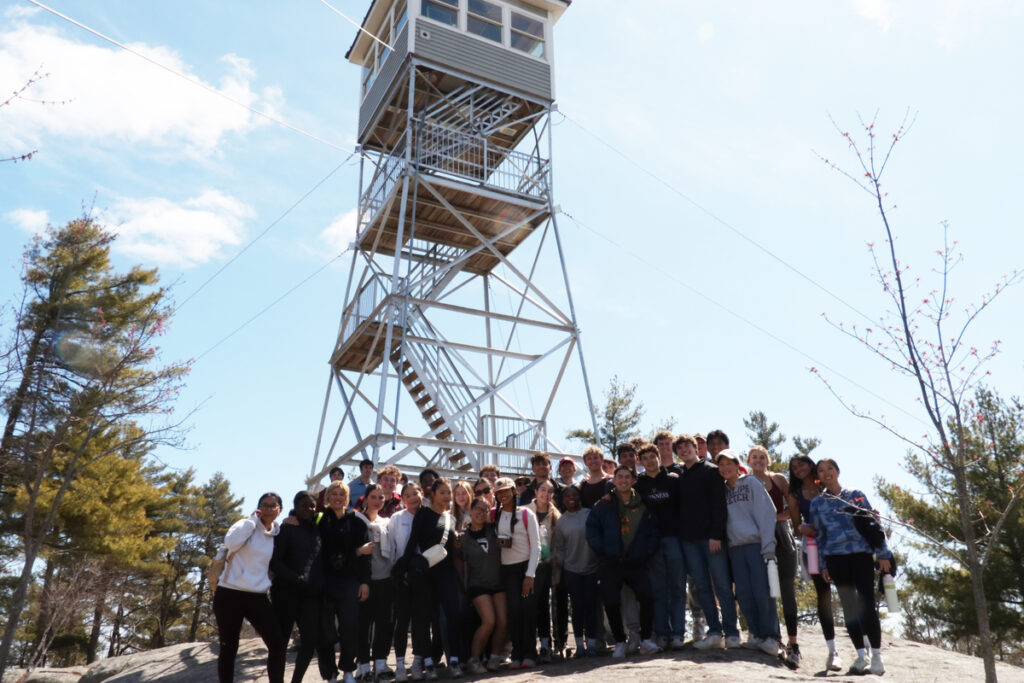
- Seniors took a hike, many of them venturing to New Hampshire treasures such as Mount Major and Mount Monadnock and a day on the trails.
Exeter adopted an environmental mission statement two decades ago and published its comprehensive sustainability and climate action plan in 2023. The plan states that the Academy’s primary contribution to climate action is through climate education, and the academic program has evolved over the years to meet that mandate. Our curriculum cultivates an appreciation for the natural world, and that is not limited to science classes. Exeter’s humanities classes provide opportunities to study the relationship between humans and the natural world, delving into the political, economic, social and ethical aspects of climate change.
Climate Action Day remains the day Exonians are intentional about getting up close with the ideas and goals of the sustainability plan, an Exeter tradition in the making.